
Understanding PCOD and PCOS: A Comprehensive Guide by Harmana

Understanding PCOD and PCOS: A Comprehensive Guide by Harmana
Hormonal health is often the "silent engine" behind how we feel, look, and live every day. For millions of women worldwide, however, that engine can hit some turbulence. You’ve likely heard the terms PCOD and PCOS tossed around in doctor’s offices, fitness blogs, or social media threads. While they sound nearly identical, they represent different experiences of hormonal and reproductive health.
At Harmana, we believe that empowerment begins with education. If you are navigating irregular cycles, unexpected breakouts, or the frustration of unexplained weight gain, this guide is designed to help you decode your body’s signals and find a path toward balance.
What Exactly Are PCOD and PCOS?
Though often used interchangeably, PCOD and PCOS have distinct clinical definitions.
1. PCOD (Polycystic Ovarian Disease)
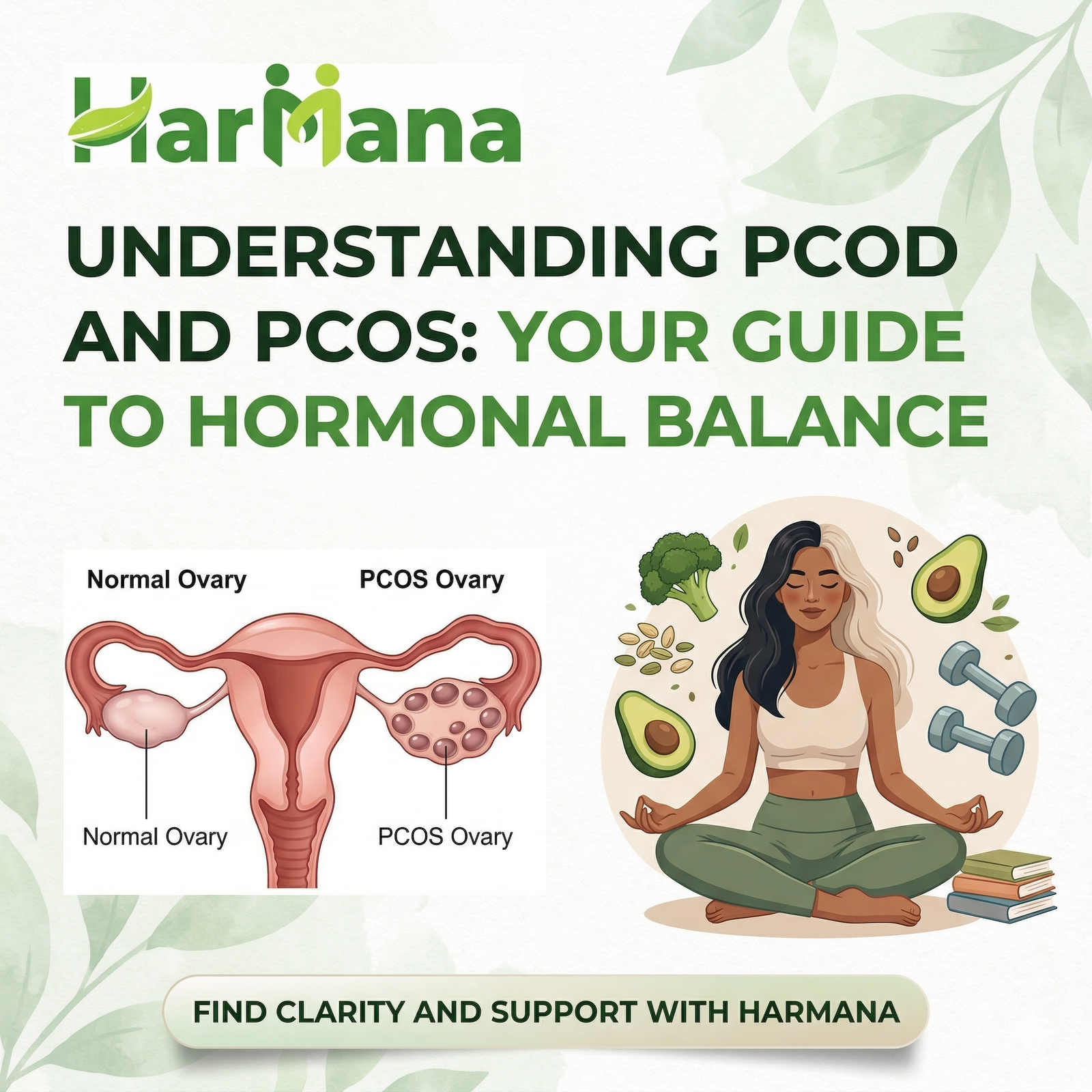
PCOD is considered a functional disorder rather than a disease. It occurs when the ovaries release immature or partially mature eggs, which eventually turn into cysts. This is usually triggered by a combination of lifestyle factors, stress, and hormonal imbalances.
Commonality: Very common; affecting about 10-15% of women.
Impact: It doesn’t usually affect fertility significantly and can often be managed effectively through diet and lifestyle changes.
2. PCOS (Polycystic Ovary Syndrome)
PCOS is a more serious metabolic and endocrine disorder. In this condition, the ovaries produce higher-than-normal levels of androgens (male hormones), which interferes with the development and release of eggs. Some of these eggs remain as cysts in the ovaries.
Commonality: Less common but more severe than PCOD.
Impact: It carries a higher risk of long-term health complications like diabetes, heart disease, and infertility.
Key Differences at a Glance
To help you distinguish between the two, we’ve broken down the primary differences:
| Feature | PCOD | PCOS |
| Nature | A functional imbalance of the ovaries. | A complex endocrine system disorder. |
| Severity | Generally manageable with lifestyle. | Requires medical intervention and lifestyle shifts. |
| Fertility | Pregnancy is usually still possible with minor help. | Infertility is a common complication. |
| Health Risks | Minimal long-term risks if managed. | Higher risk of Type 2 Diabetes and Hypertension. |
| Prevalence | Highly prevalent in the general population. | Affects a smaller percentage of women. |
Common Symptoms: What to Watch For
The symptoms of PCOD and PCOS overlap significantly, making a professional diagnosis essential. However, keep an eye out for these "red flags" that your hormones might be out of sync:
Irregular Periods: Skipping months or having very light/heavy flow.
Hirsutism: Excess hair growth on the face, chin, or body.
Acne: Persistent adult acne, particularly around the jawline.
Weight Gain: Difficulty losing weight, especially around the abdomen (insulin resistance).
Thinning Hair: Hair loss on the scalp that mimics male-pattern baldness.
Mood Swings: Increased anxiety, irritability, or feelings of depression.
The Root Causes: Why Does This Happen?
While science is still uncovering the exact "why," several factors play a massive role:
Insulin Resistance: When your body’s cells don't respond normally to insulin, your pancreas pumps out more. Excess insulin can cause your ovaries to produce more androgens.
Inflammation: Low-grade inflammation can stimulate polycystic ovaries to produce androgens.
Genetics: If your mother or sister has PCOS, your chances of developing it are higher.
Lifestyle: High stress, poor sleep quality, and a diet high in processed sugars can exacerbate hormonal imbalances.
The Harmana Approach: Managing Your Health Naturally
At Harmana, we advocate for a holistic approach. While your doctor may prescribe medication, the foundation of hormonal health is built on how you treat your body every single day.
1. Nutrition as Medicine
Focus on an anti-inflammatory diet. This means filling your plate with:
High-Fiber Foods: Cruciferous vegetables (broccoli, cauliflower), beans, and lentils.
Lean Proteins: Tofu, fish, and legumes.
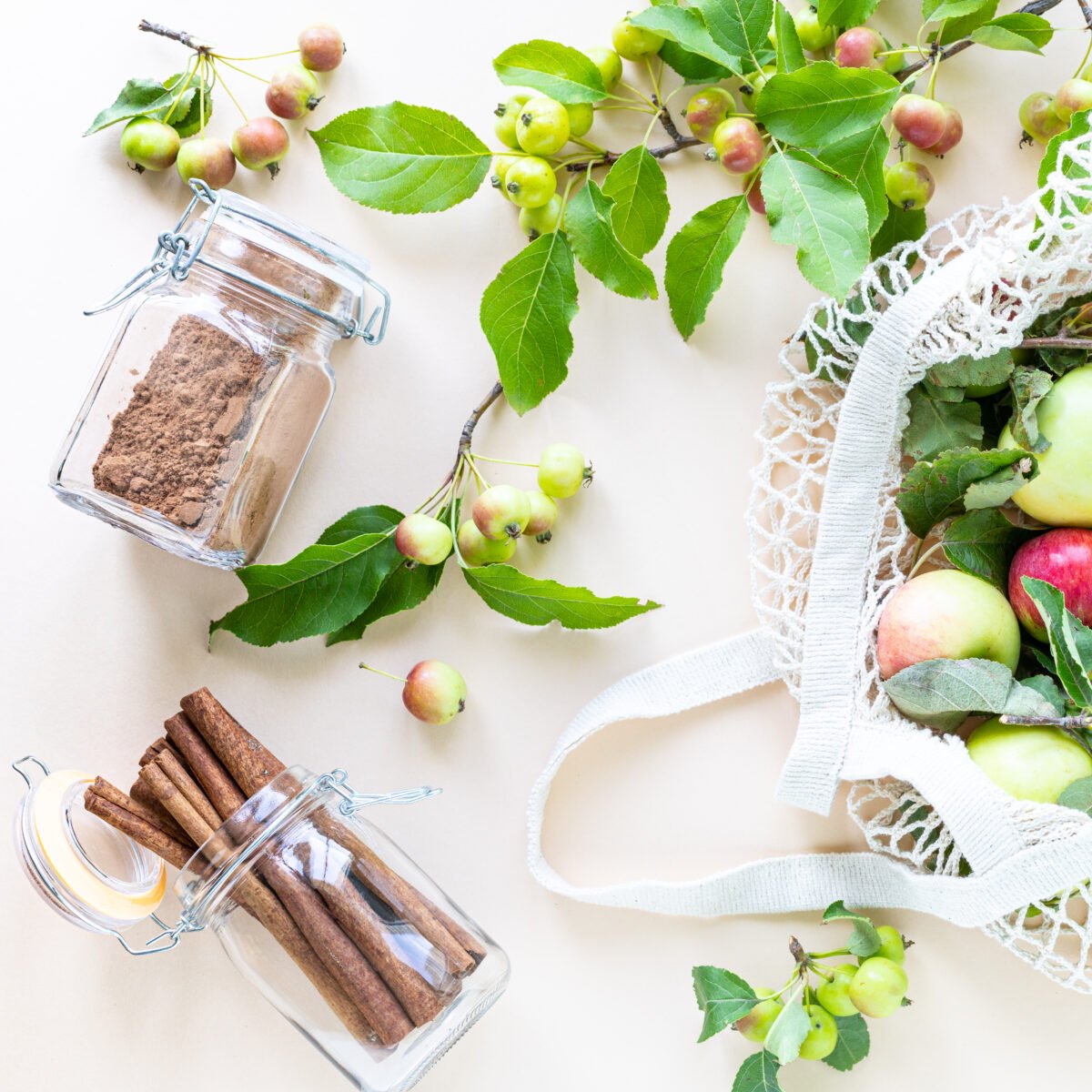
Anti-inflammatory Spices: Turmeric, ginger, and cinnamon.
Healthy Fats: Walnuts, flaxseeds, and avocados to support hormone production.
2. Mindful Movement
Exercise isn't just about weight loss; it’s about insulin sensitivity.
Strength Training: Building muscle helps your body process glucose more efficiently.
Low-Impact Cardio: Walking or swimming reduces cortisol (the stress hormone).
Yoga: Helps lower stress levels, which is crucial for hormonal regulation.
3. Stress Management & Sleep
High cortisol levels are the enemy of balanced hormones. Aim for 7-9 hours of quality sleep and incorporate "de-stress" rituals like meditation, journaling, or herbal teas into your nightly routine.
Diagnosis and Next Steps
If you suspect you have PCOD or PCOS, your first step should be a visit to a gynecologist or endocrinologist. They will typically perform:
A Pelvic Exam: To check for masses or abnormalities.
Blood Tests: To measure hormone levels (testosterone, LH, FSH) and glucose levels.
Imaging: An ultrasound to check the appearance of your ovaries.
A Note from Harmana: Remember, a diagnosis is not a destiny. Whether it's PCOD or PCOS, these conditions are manageable. With the right information and a supportive community, you can reclaim your energy, skin, and cycle.
Final Thoughts
PCOD and PCOS can feel overwhelming, but you are not alone on this journey. By understanding the nuances of your body and making intentional lifestyle choices, you can achieve hormonal harmony.
Harmana is here to support you with insights, wellness tips, and a community that understands. Your health is your greatest asset—let’s protect it together.
Visualize Your Journey
Below are conceptual images to help illustrate the journey toward hormonal balance.
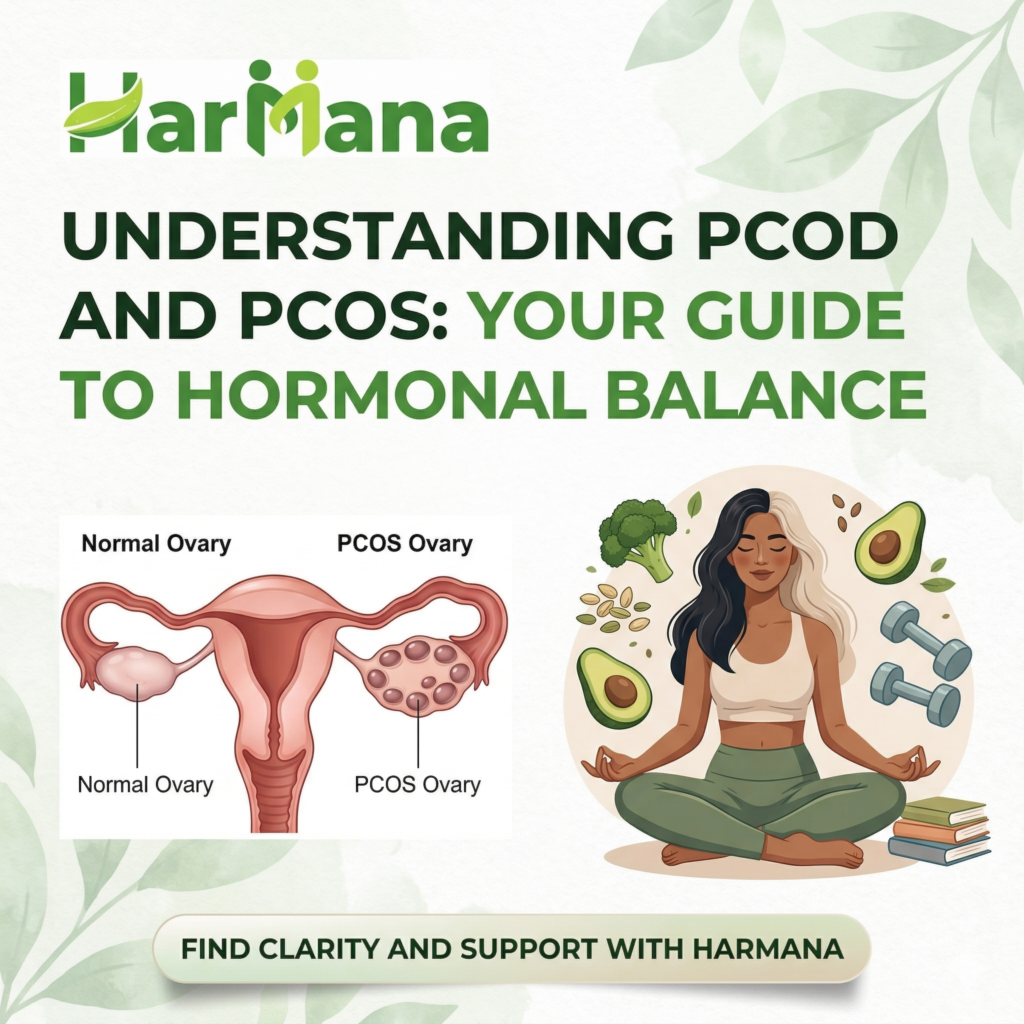
Understanding the Ovaries:
A high-quality medical illustration of a human ovary showing a comparison between a healthy ovary and one with small follicles/cysts, soft pastel colors, professional medical aesthetic.
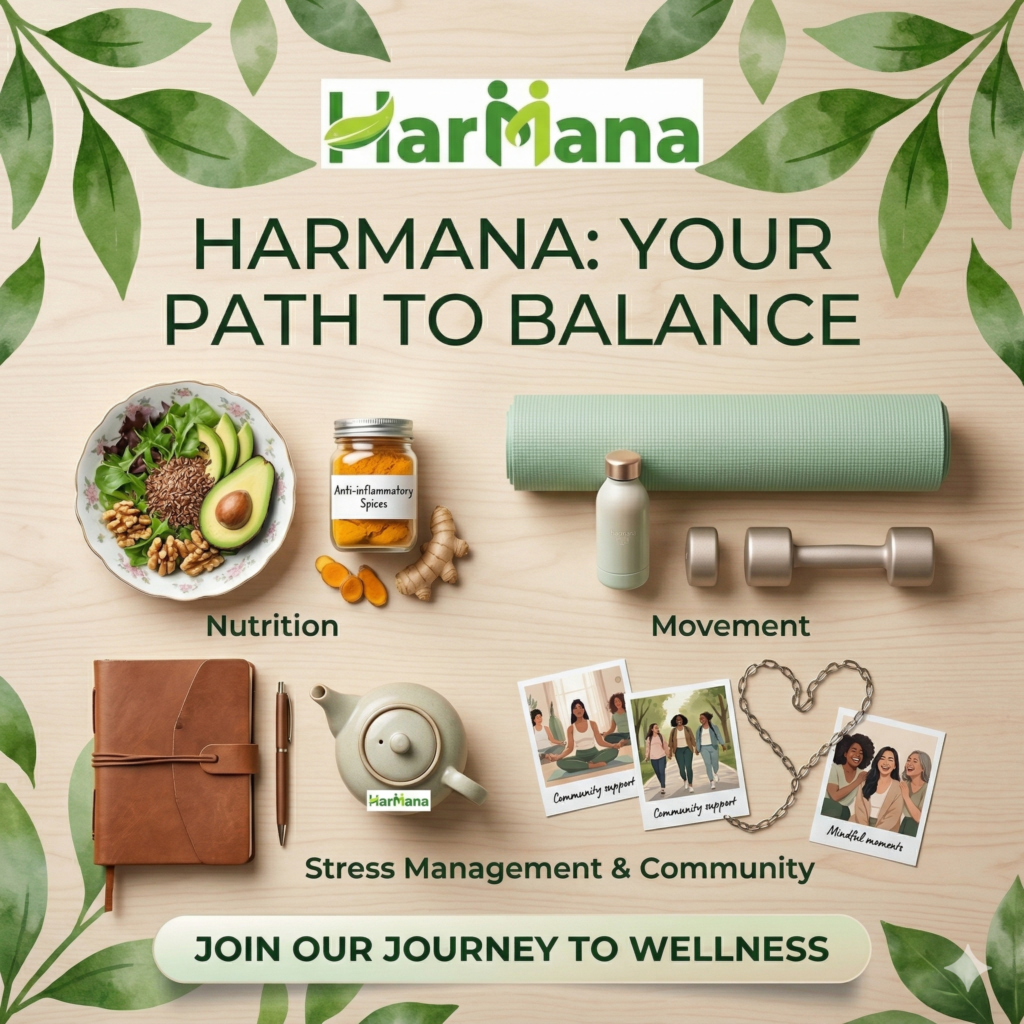
The Balanced Lifestyle:
A flat-lay photo of a healthy Harmana-inspired meal featuring avocado, greens, and seeds, next to a yoga mat and a glass of water, bright natural sunlight, wellness aesthetic.
Empowerment and Community:
A diverse group of women standing together in a sunset setting, looking confident and healthy, soft focus, warm lighting, representing the Harmana community.